No, crypto ATMs are not banned yet
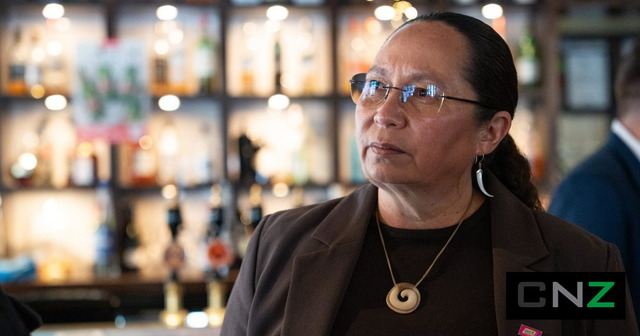
Crypto ATMs are not yet banned in New Zealand, Associate Justice Minister Nicole McKee told Cryptocurrency NZ, while CoinFlip lobbies for legality as scam reports mount and de-banking has washed out most NZ-based operators.

Over 220 crypto ATMs continue to dot New Zealand’s malls and dairies despite government announcements of a nationwide ban last year, leaving operators, hosts and users in limbo as final decisions loom.
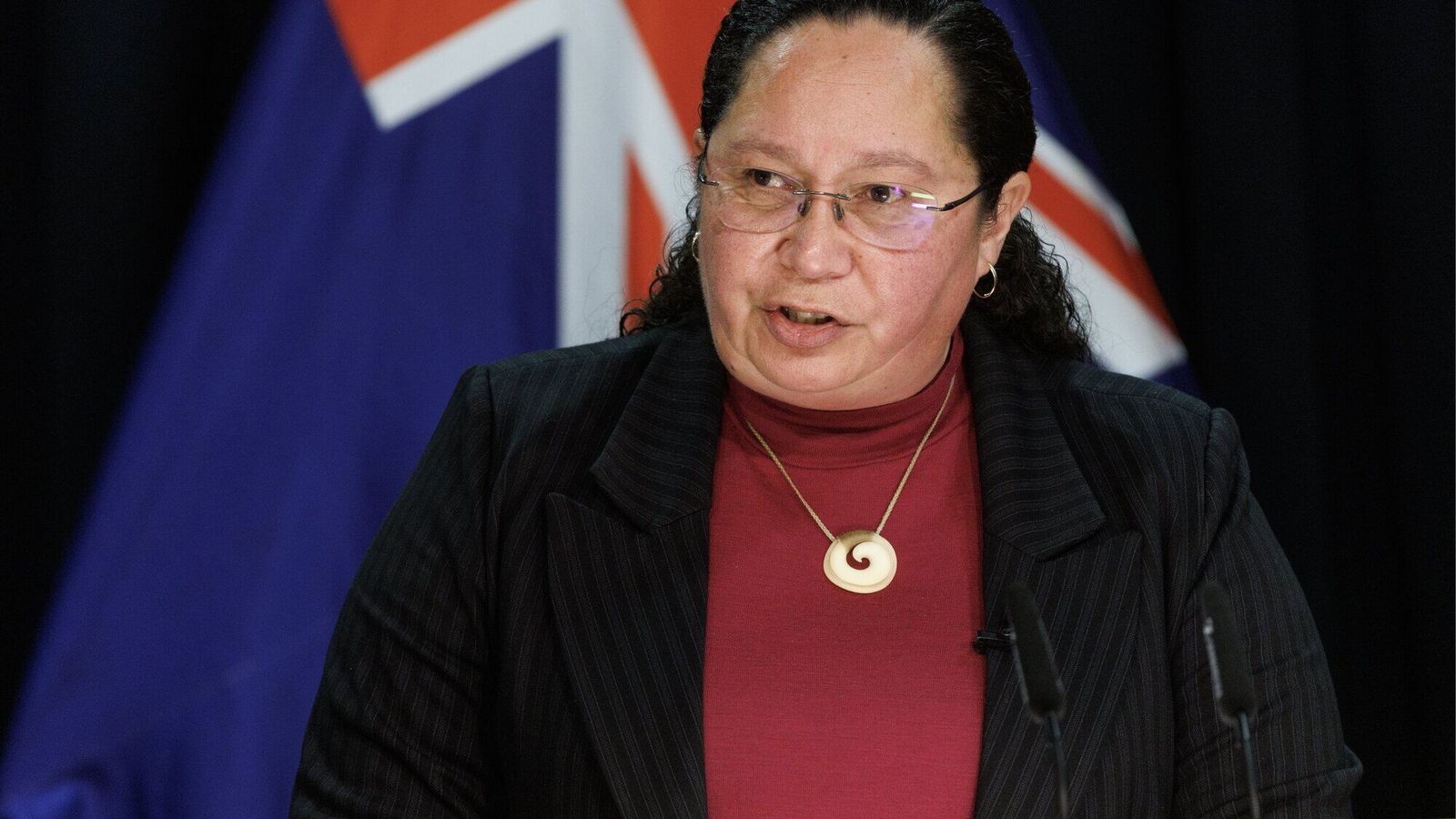
The in-principle decision to prohibit the machines, announced by Associate Justice Minister Nicole McKee in July 2025, aimed to curb money laundering risks but remains unconfirmed, with Cabinet set to decide before a mid-2026.
This uncertainty highlights tensions in New Zealand's crypto sector, where overseas firms dominate amid local barriers, raising questions about fair access, local competition, and consumer protection.
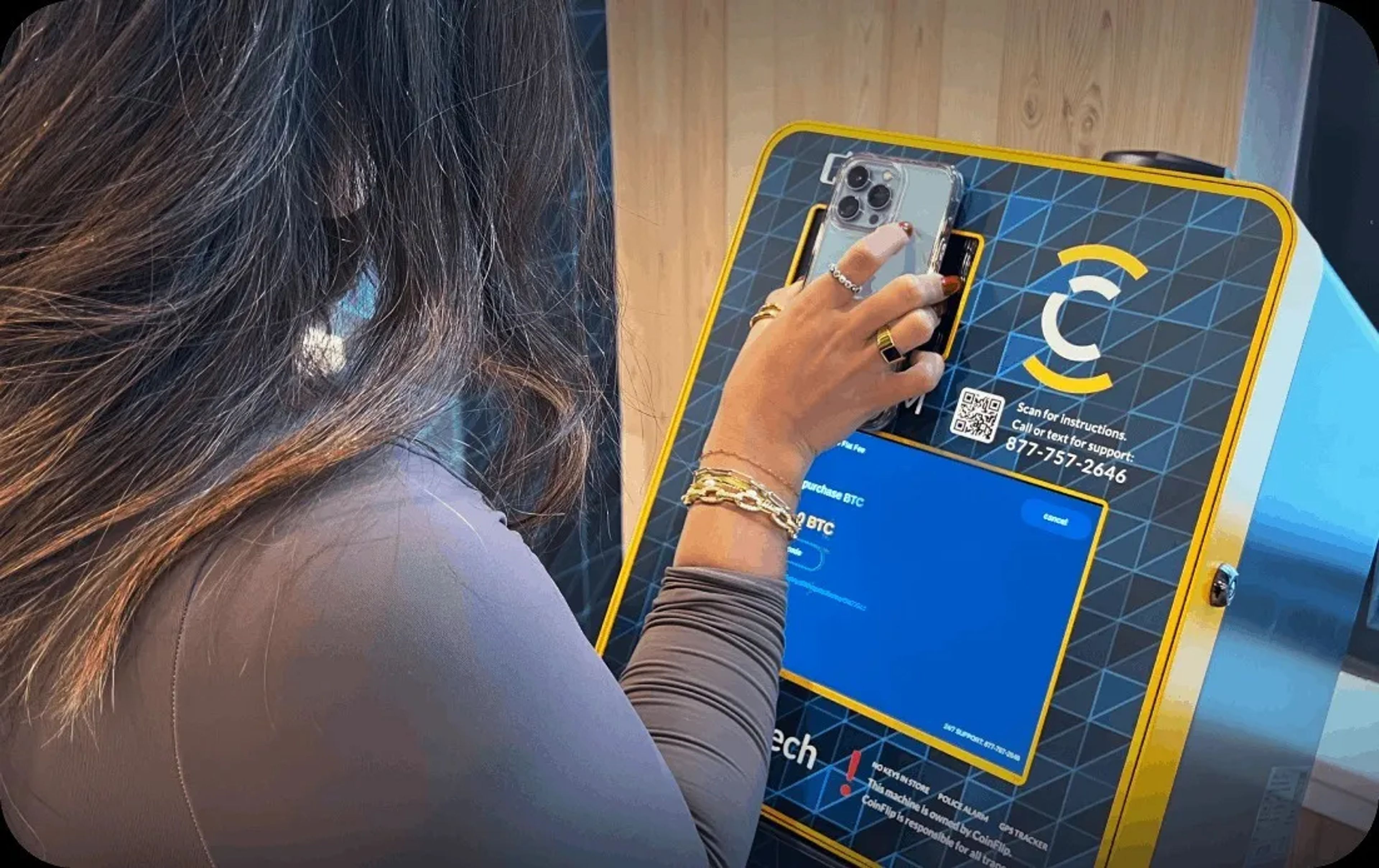
One of Coinflip's 119 kiosks up and down the country
No, Crypto ATMs are not banned.
Cryptocurrency ATMs are not banned in New Zealand, despite widespread reports to the contrary after the July 2025 overhaul of the Anti-Money Laundering and Countering Financing of Terrorism Act.
"In July last year I announced an overhaul of the AML/CFT Act to strengthen efforts to combat serious financial crime," Minister Nicole McKee said to Cryptocurrency NZ.
"This included an in-principle decision, subject to analysis on the implications of the reform, to ban crypto ATMs."
She added that any ban would hinge on a final Cabinet decision, expected before the Bill's mid-2026 introduction, and emphasised the gravity of such a move.
"Banning something is a serious decision that should not be taken lightly," McKee said.
"That's why we're doing the work to ensure we fully understand the consequences before any final decision is made. That includes consulting with the cryptocurrency sector."
The Department of Internal Affairs referred queries to the Ministry of Justice, which did not provide further details.
Meanwhile, over 220 machines from North America’s CoinFlip and Localcoin remain operational in cities across the North and South island.
Localcoin support responded saying there was no official documentation on a ban, noting uncertainty in the regulatory landscape.
Original reports from outlets like 1 News and the NZ Herald in July 2025 described the move as a crackdown, but clarified it was proposed legislation, not immediate enforcement.
Dozens of international news outlets claimed the ban was final.
No grace period exists because the ban is not yet law.
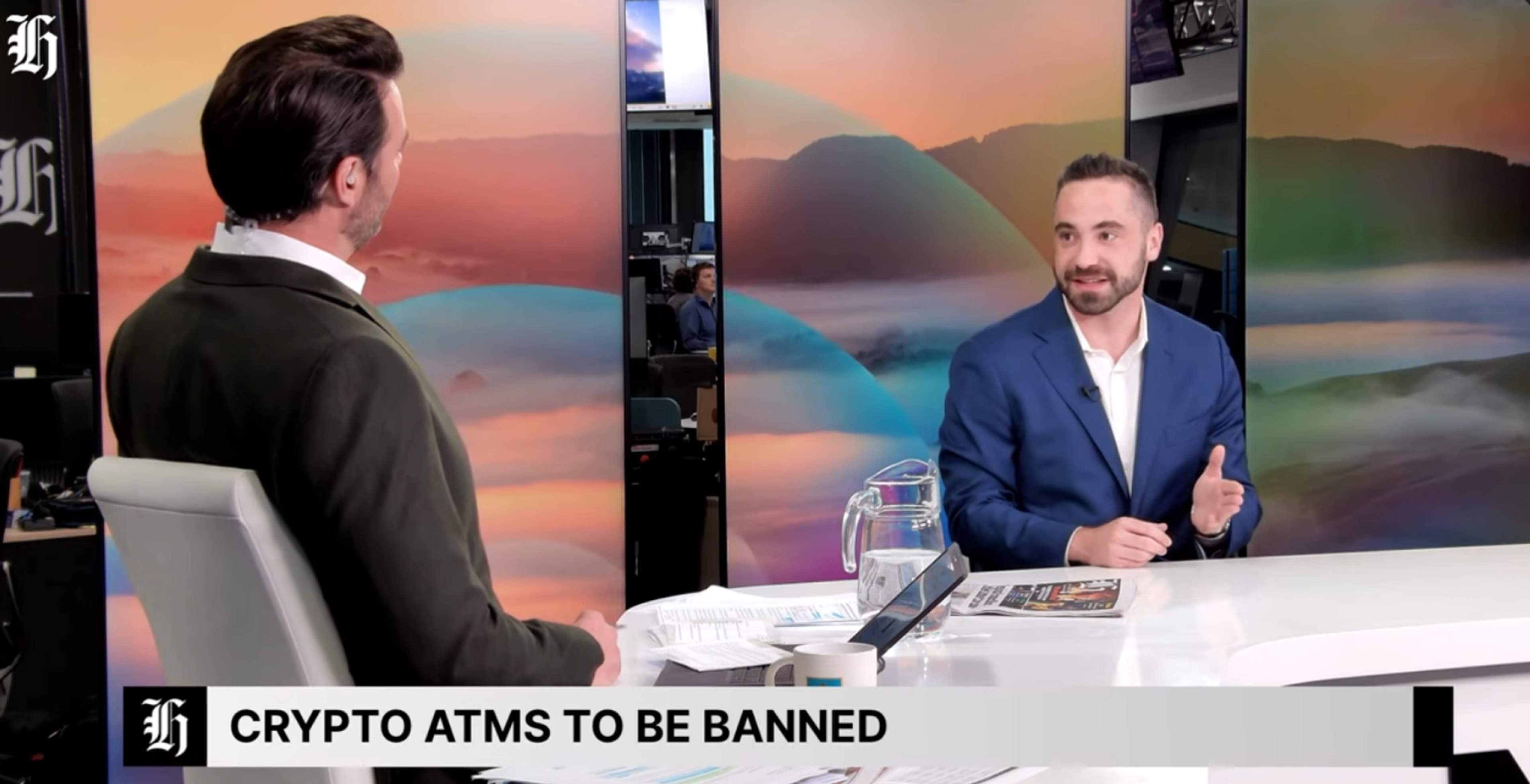
Coinflip CEO Ben Weiss's interview with Ryan Bridges on 26 Nov 2025
CoinFlip Lobbies for Legality
CoinFlip, a major US-based operator, has actively lobbied against the proposed ban, with its global chief executive, Ben Weiss, traveling to New Zealand in November 2025 to meet ministers and officials.
In a NZ Herald interview with Ryan Bridges, Weiss argued that crypto ATMs were not effective for money laundering because of strict ID verification, biometric authentication, and blockchain tracing.
He described positive engagements, including discussions with McKee, and highlighted the machines' role in accessible onboarding.
"CoinFlip has engaged positively with Ministers and officials" a CoinFlip spokesperson said.
"We believe they understand our position on the role of crypto currency ATMs in New Zealand, as well as how CoinFlip ensures good protection for its customers."
The spokesperson added that CoinFlip supported anti-money laundering measures and welcomed the government's AML/CFT National Strategy, suggesting strengthened regulations over a outright ban.
"While the Government has not confirmed its next steps, if any, on the proposed ATM ban, we note that a ban was not included in the National Strategy".
CoinFlip hosts 119 ATMs across the country, where they pay franchisees like MetroMart to host machines on site.
CoinFlip pays roughly $300 NZD monthly as rent, and takes care of installations and maintenance.
Local dairy owners we contacted confirmed they see regular use.
It is increasingly difficult for local startups to aquire or maintain bank account access in order to opreate.
De-Risking Eliminates NZ Operators
Local New Zealand crypto startups face severe de-banking issues, with companies like BitNZ, NZBCX, Kiwi-Coin and Coined.nz shutting down due to the inability to secure or keep local bank accounts needed to operate.
These restrictions forced most NZ-owned ATMs to close, clearing the path for overseas operators like US-based CoinFlip and Canadian Localcoin to dominate.
At one point, both CoinFlip and LocalCoin sponsored Cryptocurrency NZ, but withdrew support over perceived lack of ROI.
The University of Canterbury Crypto Society subsequently withdrew its pending affiliation with CoinFlip.
In 2022, Jesse Vaughan, founder of Crypto Partners NZ, a NZ-owned Crypto ATM startup, publicly called a Christchurch ATM illegal in a Cryptocurrency NZ Facebook group post.
"Just to inform everyone, I am all about supporting crypto currency businesses but this business is being run illegally unless they have somehow got an exception which is very unlikely" Vaughan wrote in 2022.
He cited the Financial Service Providers (Registration and Dispute Resolution) Act and claimed his firm was obtaining legal approvals.
Crypto Partners NZ Ltd was later de-registered.
In May 2025, the FMA issued a public warning about an unlicensed managed investment scheme operated by Vaughan and Crypto Partners NZ.
I reached out to Vaughan for the right to reply, but he did not respond.
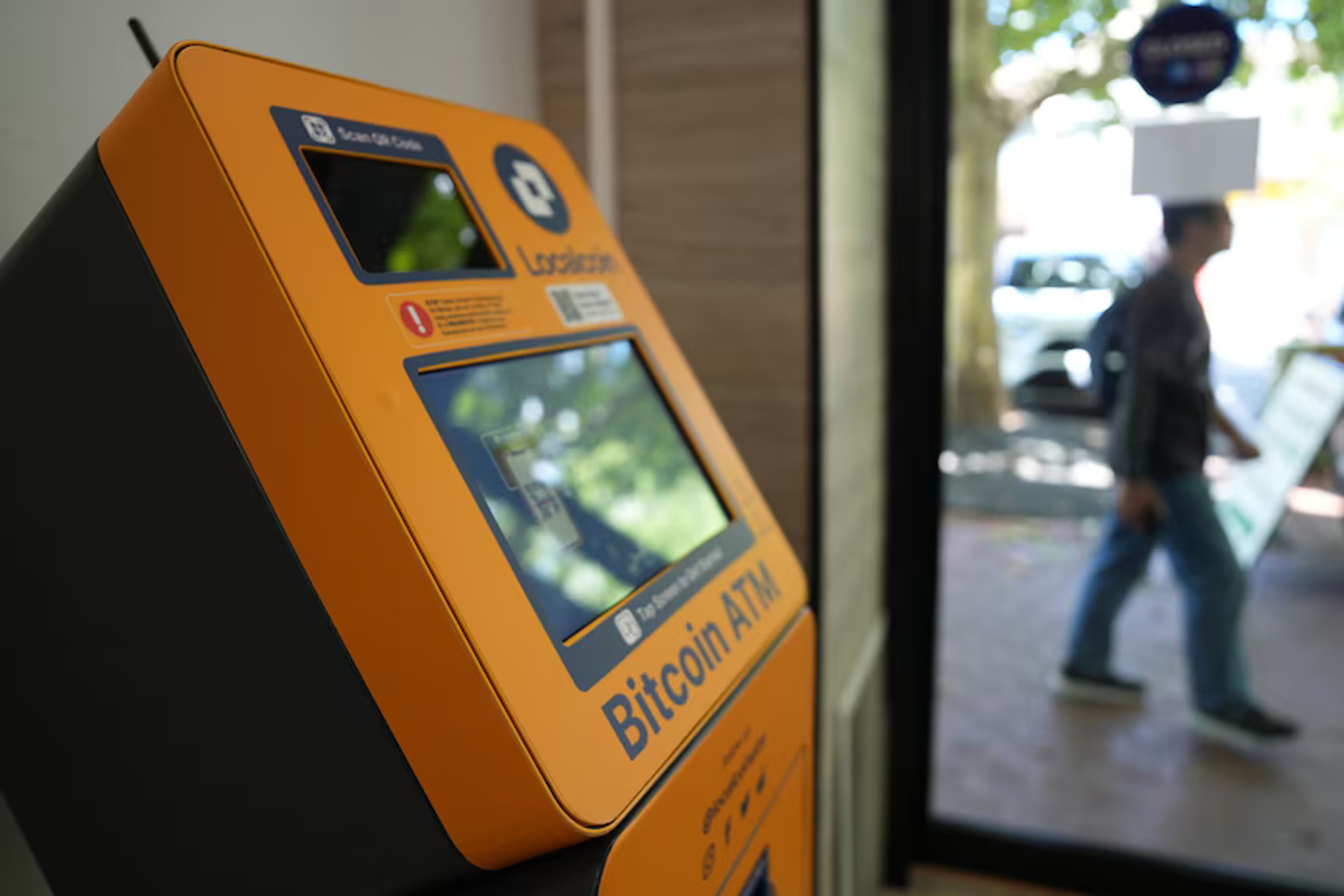
LocalCoin claims to host over 1300 ATMs around the world
Key Infrastructure, Scam Machines or Straight Rip Offs?
Cryptocurrency ATMs serve as physical kiosks for crypto onboarding in New Zealand, yet their high fees and association with scams have painted them as both infrastructure and exploitative tools.
Fees often exceeded 10-20 per cent per transaction, with Localcoin charging a 17 per cent service fee.
User costs can be up to x32 higher than those for services like Pay It Now, Lightning Pay NZ, and Swyftx.
These audacious fees target less-informed users, making ATMs a rip-off compared to alternative on and off ramping methods.
Janine Grainger, co-founder of Easy Crypto, welcomed the ban in July 2025.
"We have observed the rapid growth of crypto ATMs around the country for some time, but while we are keen to see the adoption of crypto, we also want to support that growth in a way that keeps customers safe and is compliant," Grainger told Decrypt.
The country's first Bitcoin ATM launched in 2014, and did not require KYC.
Crypto ATMs feature prominently in reports of local crypto scams, as they enable victims to convert cash to digital assets quickly, by the guidance of foreign scammers.
The machines have played a role in creating countless thousands of New Zealand scam victims.
NZ-owned retailers, exchanges and service providers are also linked to significant victim losses.
CoinFlip says the machines have the same AML, KYC, and security standards as bank ATMs.
Crypto Consulting NZ handles scam reports daily, many involving crypto ATMs.
With the machines acting as a common tool for foreign scammers, victim outbound transactions remain irreversible.
The outcome of the proposed ban will be known later in 2026.