
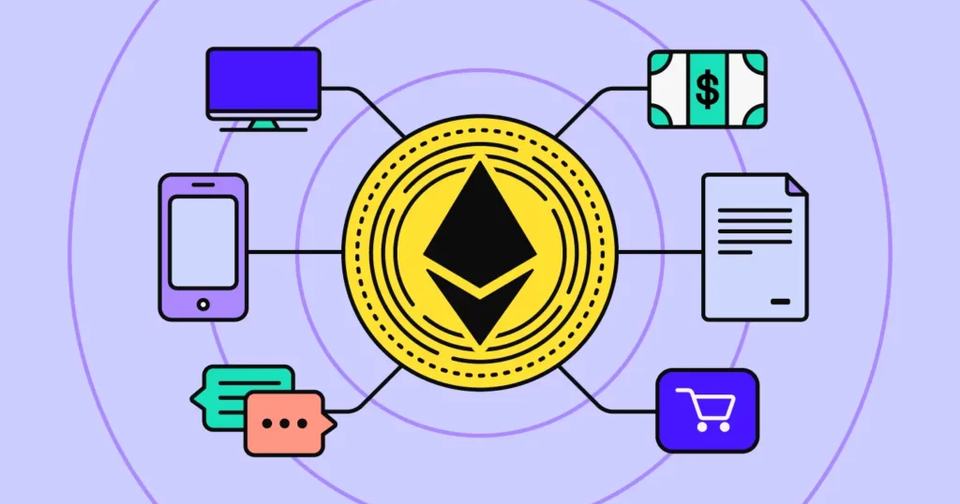
Decentralized Finance, or DeFi, is rapidly reshaping the global financial landscape, and New Zealand is no exception. This guide provides a comprehensive look into what DeFi is, how it operates, and its growing relevance for Kiwis in 2025. We'll explore its core principles, compare it with traditional finance, highlight its benefits and challenges, and delve into specific examples like Fluid, Aave, and Uniswap.
What is Decentralized Finance (DeFi) in NZ?
DeFi represents a revolutionary shift in financial services, moving away from centralized institutions like banks and brokers towards a peer-to-peer, blockchain-based system. In New Zealand, as globally, DeFi aims to recreate traditional financial products and services – such as lending, borrowing, trading, and insurance – using smart contracts on public blockchains, primarily Ethereum. This decentralized approach means transactions are executed automatically and transparently, without the need for intermediaries.
Unlike traditional finance (TradFi) or even centralized crypto finance (CeFi) platforms (like some major exchanges), DeFi protocols are open-source, permissionless, and non-custodial. This empowers individuals with greater control over their assets and financial decisions, fostering a more inclusive and accessible financial ecosystem.

How Does DeFi Work?
At its core, DeFi leverages blockchain technology to facilitate its operations. The most prominent blockchain for DeFi is Ethereum, though other networks are gaining traction. Instead of relying on central authorities, DeFi protocols utilize smart contracts – self-executing agreements with the terms directly written into code. These contracts automatically carry out specified financial transactions when predefined conditions are met, eliminating the need for human intermediaries.
This system operates on a peer-to-peer (P2P) model, allowing users to interact directly with each other or with smart contracts. The transparency of smart contract code, which is publicly auditable, builds trust and reduces reliance on third parties. This fundamental shift enables a wide array of financial services to be offered in a decentralized manner.
History of Decentralized Finance
The concept of decentralized finance isn't entirely new; its roots can be traced back to Bitcoin. Bitcoin, in many ways, was the first true DeFi application, enabling peer-to-peer value transfer without banks or governments. It demonstrated that a financial system could run on code and consensus, open to anyone, with immutable rules. Ethereum took this a step further by introducing programmability. With Ethereum, developers could not only store and send value but also build complex smart contracts, powering everything from decentralized exchanges to lending platforms. This evolution from static value transfer (Bitcoin) to programmable financial systems (Ethereum) truly ignited the DeFi movement, leading to the explosion of innovative protocols we see today.
Benefits of DeFi
DeFi offers numerous advantages for users in New Zealand, fostering greater financial autonomy and efficiency:
- Increased Control & Ownership: Users maintain full custody of their assets through private keys, eliminating reliance on third-party custodians. This significantly reduces counterparty risk.
- Transparency & Auditability: All transactions and smart contract code are publicly recorded on the blockchain, allowing for unprecedented transparency and auditability. This builds trust through verifiable data rather than institutional assurances.
- Lower Costs: By removing intermediaries, DeFi can significantly reduce transaction fees and operational costs associated with traditional financial services.
- Accessibility & Inclusivity: DeFi is permissionless, meaning anyone with an internet connection can access its services, regardless of their location, credit score, or background. This opens up financial opportunities for the unbanked and underbanked.
- Innovation & Flexibility: The open-source nature of DeFi fosters rapid innovation, leading to a diverse ecosystem of financial products and services that constantly evolve.
- Global Reach: DeFi protocols operate 24/7 on a global scale, allowing for seamless cross-border transactions and financial interactions without geographical limitations.
Challenges of DeFi
Despite its promise, DeFi also presents significant challenges that users, especially in New Zealand, should be aware of:
- User Responsibility: The non-custodial nature of DeFi means users are solely responsible for securing their private keys. Loss of keys or seed phrases can lead to irreversible loss of funds. This requires a high level of technical literacy and diligence.
- Smart Contract Risks: While auditable, smart contracts can contain bugs or vulnerabilities that could be exploited, leading to financial losses. The immutability of blockchain means that once exploited, it can be difficult to recover funds.
- Market Volatility: The underlying cryptocurrencies that power DeFi are highly volatile. Fluctuations in asset prices can significantly impact the value of DeFi investments, particularly in lending or liquidity provision.
- Regulatory Uncertainty: The regulatory landscape for DeFi in New Zealand and globally is still evolving. This uncertainty can pose risks for users and developers, as new regulations could impact the legality or functionality of certain protocols.
- Complexity & User Experience: DeFi can be complex for newcomers, with a steep learning curve involving wallets, gas fees, smart contracts, and various protocols. The user experience is constantly improving, but can still be daunting.
- Scalability Issues: While efforts are underway, some blockchains (like Ethereum) can experience congestion and high transaction fees during peak demand, impacting the efficiency and cost-effectiveness of DeFi applications.
Uses of DeFi in New Zealand: Exploring Key Products
DeFi offers a diverse range of applications that are becoming increasingly relevant for New Zealanders. Here are some of the most prominent uses, including specific examples:
Decentralized Exchanges (DEXs)
DEXs allow users to trade cryptocurrencies directly with each other without the need for a centralized intermediary. They operate on smart contracts, enabling peer-to-peer trading with increased transparency and user control. DEXs are a cornerstone of the DeFi ecosystem.
- Uniswap: As the largest decentralized exchange on Ethereum, Uniswap is a prime example of an Automated Market Maker (AMM). It allows users to swap ERC-20 tokens directly from their wallets by interacting with liquidity pools. Users can also provide liquidity to these pools and earn trading fees, effectively becoming market makers themselves. Uniswap's permissionless nature and deep liquidity make it a go-to for many DeFi participants globally, including those in NZ.
Lending and Borrowing Platforms
DeFi lending protocols enable users to lend their cryptocurrencies to earn interest or borrow funds by collateralizing their assets. This creates a global, open credit market without traditional banks.
- Aave: Aave is a leading decentralized non-custodial liquidity protocol where users can participate as suppliers (lenders) or borrowers. Suppliers provide liquidity to earn interest, while borrowers can access overcollateralized loans. Aave supports a wide range of cryptocurrencies and operates across multiple blockchains, offering flexible interest rates and flash loans. For New Zealanders, Aave provides an opportunity to earn passive income on their crypto holdings or access capital without traditional credit checks.
Stablecoins
DeFi platforms support the creation and use of stablecoins, which are cryptocurrencies pegged to stable assets like fiat currencies (e.g., USD). They are crucial for mitigating volatility within the DeFi ecosystem and facilitating stable transactions.
- DAI: A prominent example of a decentralized stablecoin, DAI is soft-pegged to the US Dollar and is collateralized by other cryptocurrencies. It's managed by the MakerDAO protocol and offers a decentralized alternative to centralized stablecoins like USDT or USDC. DAI is widely used across DeFi for lending, borrowing, and trading, providing a stable medium of exchange.
Yield Farming and Liquidity Mining
These innovative strategies allow users to earn additional cryptocurrency rewards by providing liquidity to decentralized protocols. By staking or lending assets, users can earn protocol tokens or a share of transaction fees, incentivizing participation and contributing to the growth of DeFi platforms.
The Future of Decentralized Finance in NZ
The future of DeFi in New Zealand holds immense potential. As the technology matures, we can expect significant advancements in user experience, security measures, and regulatory clarity. Efforts to enhance scalability and interoperability will enable DeFi platforms to handle larger transaction volumes more efficiently and at lower costs. This evolution will likely lead to a more integrated financial ecosystem where traditional and decentralized finance coexist and complement each other.For Kiwis, this means greater control over personal finances, new avenues for investment and wealth creation, and increased access to global financial markets. The ongoing innovation in DeFi promises a future where financial services are more transparent, equitable, and accessible to everyone.