
If you're embarking on your cryptocurrency journey in New Zealand, one of the most critical decisions you'll face is selecting the right wallet to secure your digital assets. At Cryptocurrency NZ and Crypto Consulting NZ, we've guided countless Kiwis through this landscape, and our experience consistently highlights the paramount importance of secure and suitable wallet storage.

What is a Cryptocurrency Wallet?
At its core, a cryptocurrency wallet is a digital tool that enables you to store, send, and receive cryptocurrencies like Bitcoin (BTC) and Ethereum (ETH). Unlike traditional bank accounts that hold your physical money, crypto wallets don't actually 'store' your coins. Instead, they store the private keys – cryptographic codes that prove ownership of your cryptocurrency on the blockchain. Think of it as a secure digital vault for your access codes, rather than the assets themselves. From my perspective at Crypto Consulting NZ, understanding this distinction is fundamental. Your private keys are the gateway to your funds, and their security is non-negotiable. Losing them or having them compromised means losing access to your crypto.
Key Considerations When Choosing a Crypto Wallet in NZ
Choosing the 'best' wallet isn't a one-size-fits-all answer; it depends entirely on your individual needs, risk tolerance, and crypto goals. When advising clients at Cryptocurrency NZ, we always encourage them to ask themselves a few key questions. Consider your investment horizon: are you a long-term holder who will prioritize maximum security, or a short-term trader who needs quick access? Think about your investment size; larger holdings naturally demand more robust security measures.
Your technical proficiency is another crucial factor – do you prefer a simple, user-friendly experience or are you comfortable with a more technical setup? Finally, consider the frequency of your transactions and the specific cryptocurrencies you plan to hold, as these will influence your choice of wallet.
Types of Cryptocurrency Wallets: Hot vs. Cold Storage
Cryptocurrency wallets are broadly categorized into two main types: hot wallets and cold wallets. The primary difference lies in their connection to the internet.
Hot Wallets (Online Wallets)
Hot wallets are connected to the internet, making them convenient for frequent transactions but generally less secure for large holdings. This category includes mobile wallets, which are apps on your smartphone, like Exodus, offering a good balance of convenience and security for everyday use.
From my experience at Cryptocurrency NZ, many beginners start here due to their accessibility. Desktop wallets are software installed on your computer, offering more features but are vulnerable if your computer is compromised. Web wallets or exchange wallets, provided by cryptocurrency exchanges, are convenient but often mean you don't fully control your private keys—the classic 'not your keys, not your crypto' dilemma.
We generally advise against storing significant amounts on exchanges for this reason, as seen in past incidents like FTX and Cryptopia [1]. Finally, browser extension wallets like MetaMask are popular for interacting with Web3 applications, but should only hold smaller amounts for active use [2].
Cold Wallets (Offline Wallets)
Cold wallets are not connected to the internet, providing superior security for long-term storage of significant cryptocurrency holdings. They are considered the 'gold standard' for security. Hardware wallets, such as those from Trezor and Ledger, are physical devices that store your private keys offline, making them highly resistant to online hacks. As Crypto Consulting NZ often emphasizes, if you're serious about securing your assets, a hardware wallet is an essential investment. Paper wallets, while offering extreme offline security, are susceptible to physical damage and are generally not recommended for beginners.
Comparing Top Cryptocurrency Wallets for New Zealanders in 2025

In-Depth Wallet Recommendations
Hardware Wallets: The Apex of Security (Trezor & Ledger)
For any serious Kiwi crypto investor, particularly those holding substantial amounts or planning for the long term, a hardware wallet is, in my opinion, an absolute necessity. The initial investment of NZD $150-$300 is a small price to pay for bulletproof security. At Cryptocurrency NZ, we strongly advocate for these devices.
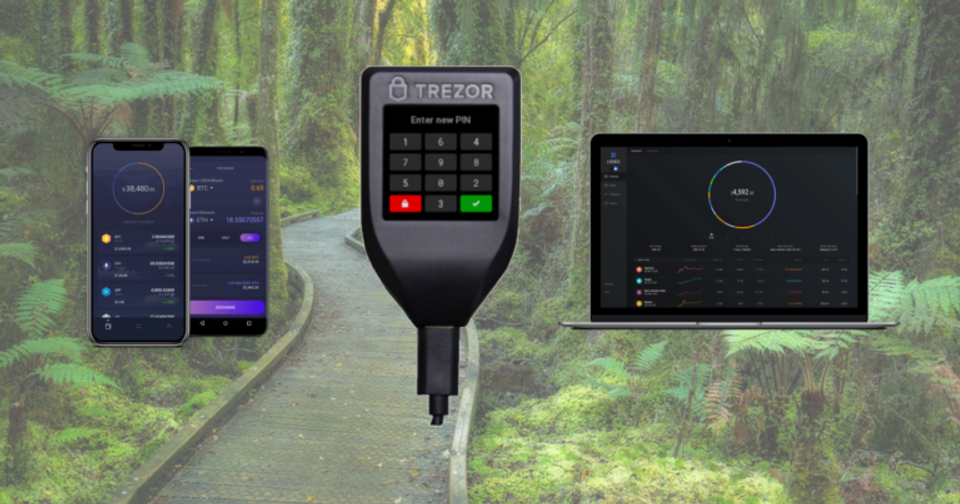
Trezor Model T
The Trezor Model T, costing around NZD $259 [3], is a top-tier hardware wallet. Its standout features include offline private key storage, a user-friendly touchscreen interface, and the requirement for physical transaction confirmation. This physical security key provides an extra layer of protection against remote hacks. The requirement to physically confirm transactions on the device provides immense peace of mind, especially for new investors. As we've seen at Crypto Consulting NZ, this physical barrier significantly reduces the risk of accidental or malicious transfers.
Ledger Nano X / S Plus
Ledger devices, starting from approximately NZD $79 for the Nano S Plus [4], are another industry benchmark. They support a vast range of over 5,000 cryptocurrencies and feature a secure element chip. The Nano X's Bluetooth connectivity offers convenience without compromising security, as private keys remain isolated. Both Trezor and Ledger are excellent choices, and the decision often comes down to personal preference.

Trusted Software Wallets: Convenience with Strong Security
If a hardware wallet isn't immediately feasible, certain software wallets offer a commendable balance of security and user-friendliness.
Exodus Wallet
Exodus is a free, multi-currency software wallet that has been a long-standing favorite among the Cryptocurrency NZ team. It's incredibly user-friendly, supports over 250 cryptocurrencies, and has a strong track record for security. While not open-source, its consistent performance and user trust make it a solid choice for those not yet ready for a hardware wallet. Remember to follow best practices for backing up your recovery phrase [5].
Web3 & DeFi Interaction: MetaMask & Phantom
For those delving into decentralized finance (DeFi) and NFTs, browser extension wallets are indispensable. MetaMask is the gateway to the Ethereum ecosystem, while Phantom is tailored for the Solana blockchain. Both are free and excellent for their purpose, but it's crucial to understand that their internet connectivity makes them more susceptible to online threats. We at Crypto Consulting NZ always advise clients to only keep funds actively needed for DeFi interactions in these wallets and to transfer larger holdings to a cold wallet.
Essential Crypto Wallet Security Tips for New Zealanders
Regardless of the wallet you choose, your security practices are paramount. Here are critical tips from Crypto Consulting NZ to keep your digital assets safe:
- Enable Two-Factor Authentication (2FA): Always enable 2FA on any wallet or exchange that supports it.
- Secure Your Seed Phrase/Recovery Phrase: This 12 or 24-word phrase is the master key to your wallet. Write it down physically and store it in multiple secure, offline locations. NEVER store it digitally or share it with anyone.
- Be Wary of Phishing Scams: Always double-check URLs and sender addresses. Scammers often create fake websites or emails to trick you into revealing your private keys or seed phrase.
- Keep Software Updated: Regularly update your wallet software, operating system, and antivirus programs.
- Use Strong, Unique Passwords: Never reuse passwords across different platforms. Use a password manager to generate and store complex passwords.
- Beware of Public Wi-Fi: Avoid accessing your crypto wallets on unsecured public Wi-Fi networks.
- The '$5 Wrench Attack': Be aware of physical threats and avoid disclosing your crypto holdings publicly.
Cryptocurrency NZ Final Verdict: Prioritize Security
While the multitude of crypto wallets available can seem overwhelming, our advice at Cryptocurrency NZ remains consistent: prioritize security above all else. For the vast majority of New Zealanders looking to hold cryptocurrency for any significant period or value, a hardware wallet is the undisputed champion. It provides the highest level of protection against the most common threats. From my personal experience, once you've used a hardware wallet, anything less feels inherently less secure. The simple act of physically confirming each transaction provides an unparalleled sense of control and safety.
If you're planning to hold thousands of NZD in crypto, an initial investment of $200-$300 for a hardware wallet is not just reasonable; it's a wise and necessary safeguard. For day-to-day transactions or smaller amounts, a reputable software wallet like Exodus can serve you well, but always with the understanding of their inherent online risks. For Web3 interactions, MetaMask and Phantom are excellent tools, but again, use them judiciously with limited funds. Ultimately, the best crypto wallet for you in 2025 is the one that aligns with your specific needs while providing robust security for your digital future. Stay vigilant, stay informed, and secure your assets wisely.